
Table of Contents
- Introduction: A Sparkling Toast to Elegance
- Why You’ll Love This Holiday Cocktail Recipe
- Key Takeaways
- Perfect Occasions for Easy Recipes and Celebrations
- Understanding Your Ingredients and Flavor Profile
- Serving Tips and Entertaining Techniques
- Creative Variations and Substitutions
- Food Pairings and Menu Ideas
- Notes & Tips for Success
Key Takeaways
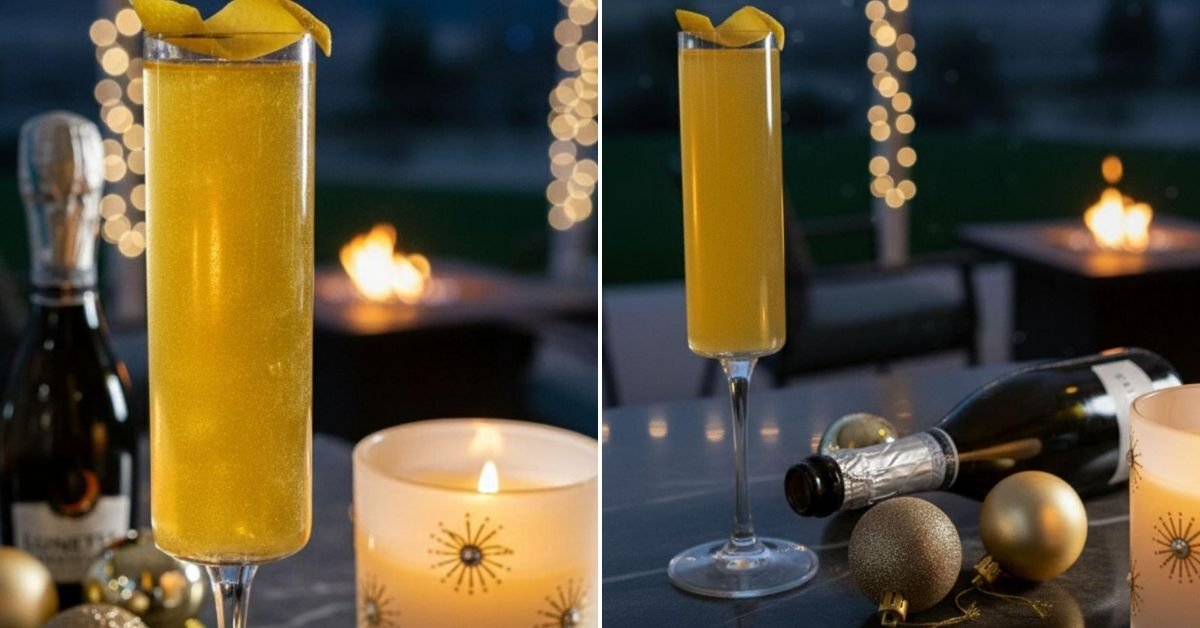
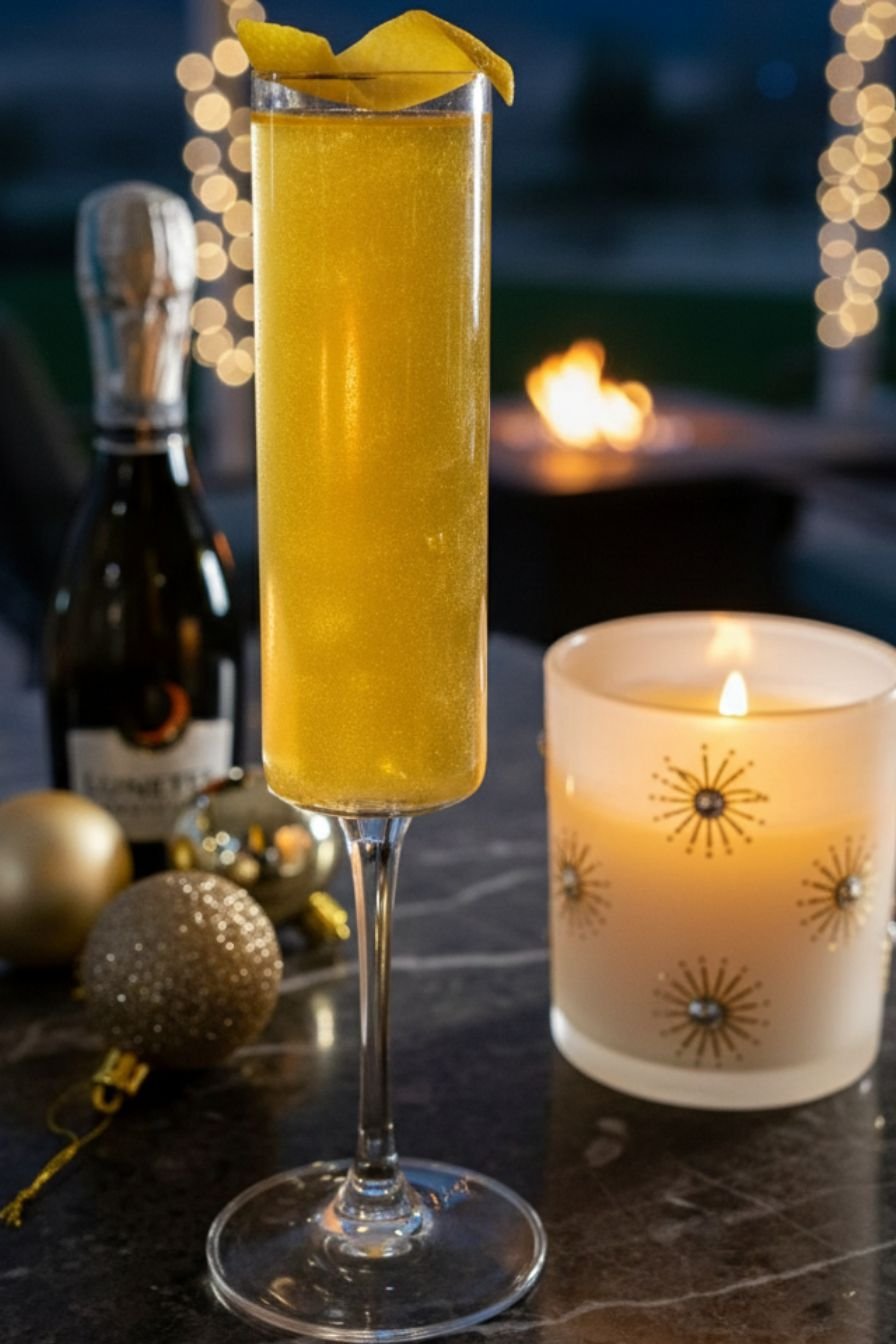
The Twinkle Cocktail is a sophisticated champagne-based drink that combines vodka and elderflower liqueur for an elegant celebration experience. This quick and easy recipes option requires just minutes of preparation and minimal ingredients, making it ideal for entertaining guests at holiday gatherings. The edible gold glitter and lemon twist create a visually stunning presentation that impresses without complicated techniques. Perfect for special occasions, this festive champagne cocktail delivers restaurant-quality results in your own home. Whether you’re hosting an intimate dinner or a large party, this easy recipes cocktail ensures your guests feel celebrated.
Introduction: A Sparkling Toast to Elegance
There’s something magical about a well-crafted champagne cocktail that transforms an ordinary evening into something memorable. The Twinkle Cocktail represents the perfect intersection of sophistication and simplicity, bringing together easy recipes that look and taste like you’ve been bartending for years. Created for those who appreciate quality drinks without the complexity, this recipe showcases how easy recipes can still deliver impressive results. Whether you’re a seasoned host or preparing your first festive gathering, this elegant champagne drink will become your signature offering.
This sparkling creation caught attention at holiday celebrations everywhere, where guests consistently request second servings. The beauty of this drink lies in its understated elegance—a perfect balance of floral notes, crisp bubbles, and visual appeal that makes any moment feel special. Betty from Betty Cooks has perfected this recipe to ensure that quick and easy recipes like this one can be mastered by anyone, regardless of bartending experience. Visit Betty Cooks at https://www.bettycooks.com to discover more exceptional cocktail recipes and entertaining tips.
Why You’ll Love This Holiday Cocktail Recipe
This champagne cocktail checks every box for the modern entertainer. The ingredient list is refreshingly short, featuring items that are easy to find at any liquor store or supermarket. Preparation takes mere minutes—no special skills required, just a cocktail shaker and chilled ingredients. The flavor profile strikes an elegant balance: the vodka provides a clean foundation, while the elderflower liqueur adds delicate floral sweetness without overwhelming the palate. The champagne brings brightness and celebratory sparkle, creating a drink that feels both special and approachable.
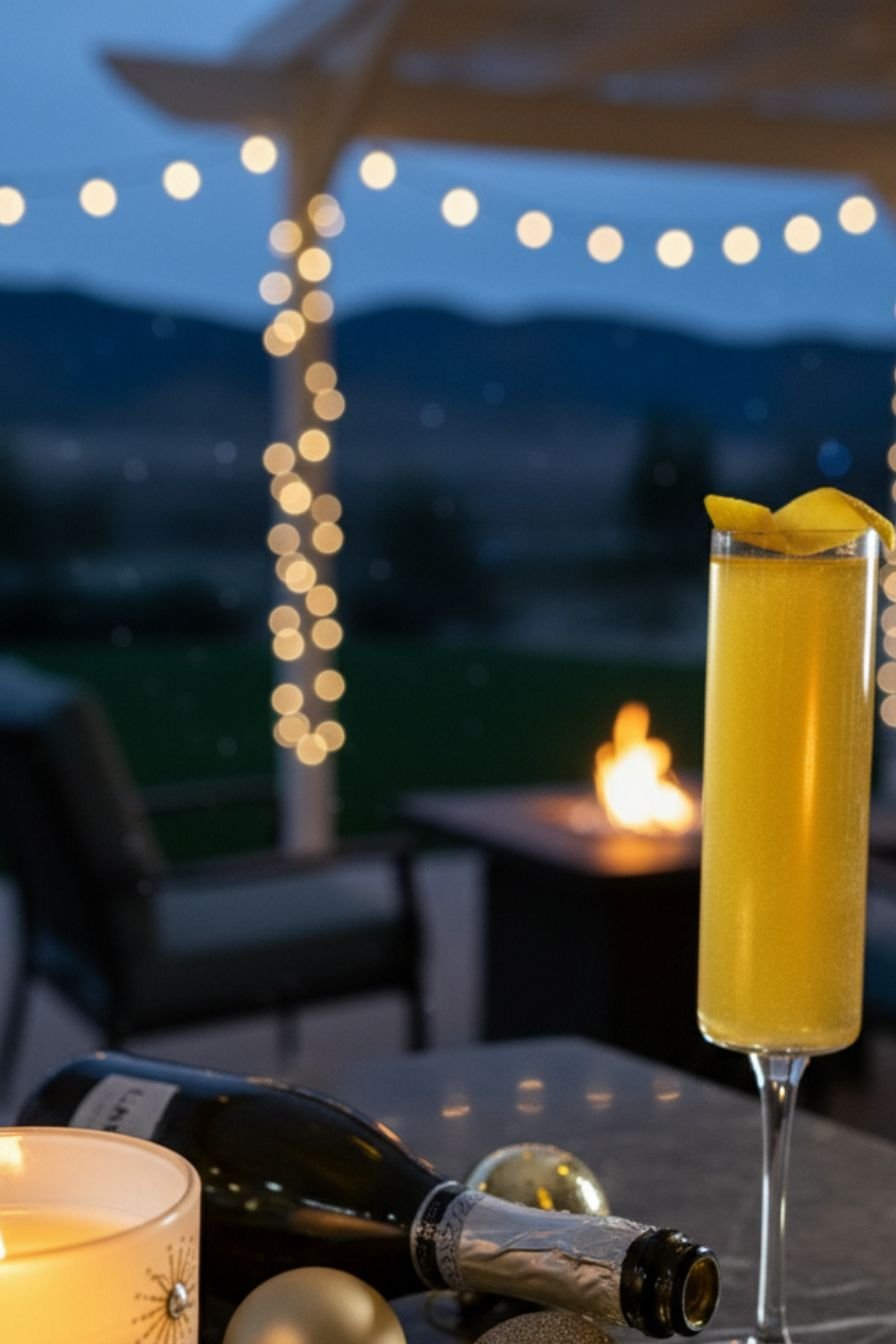
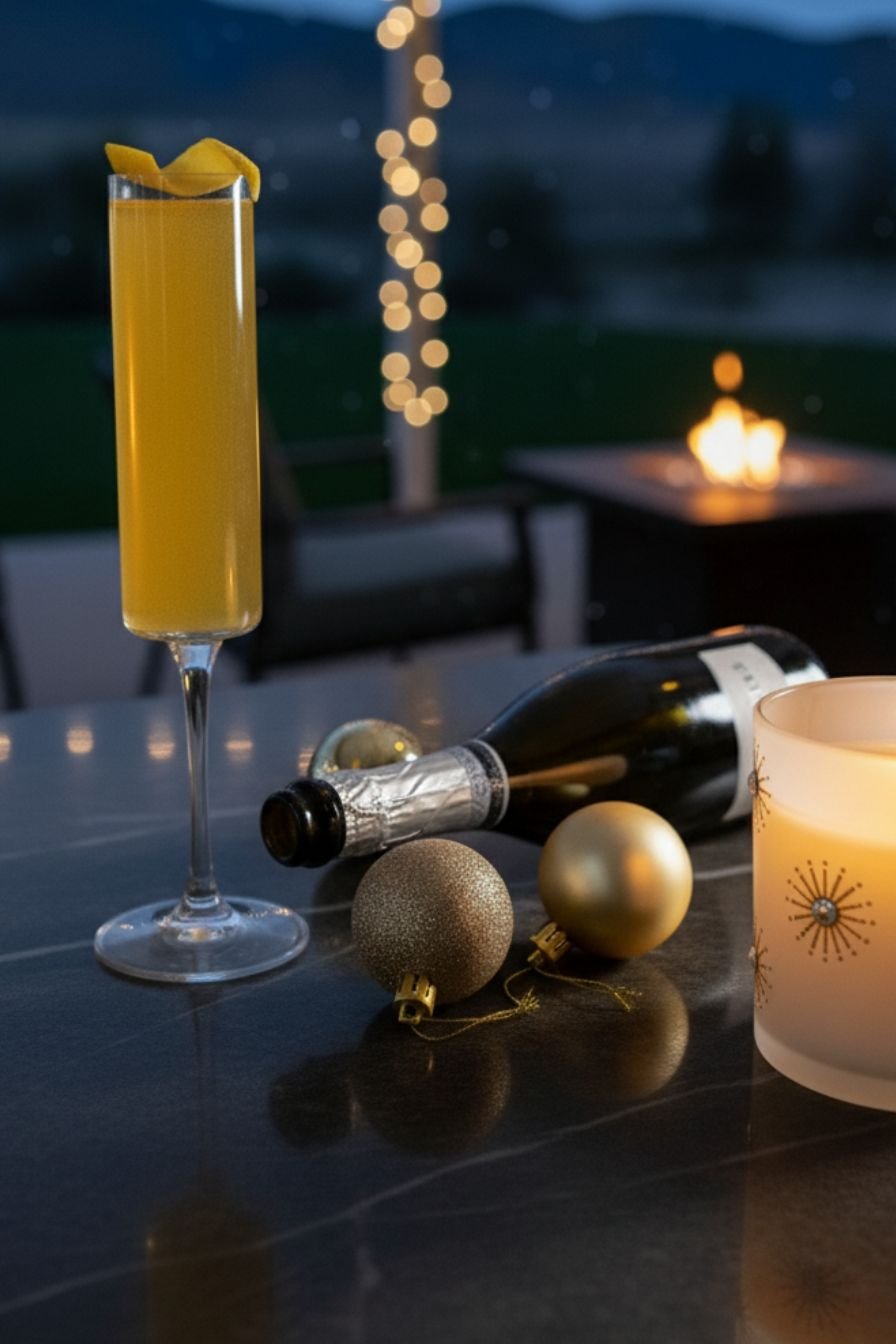
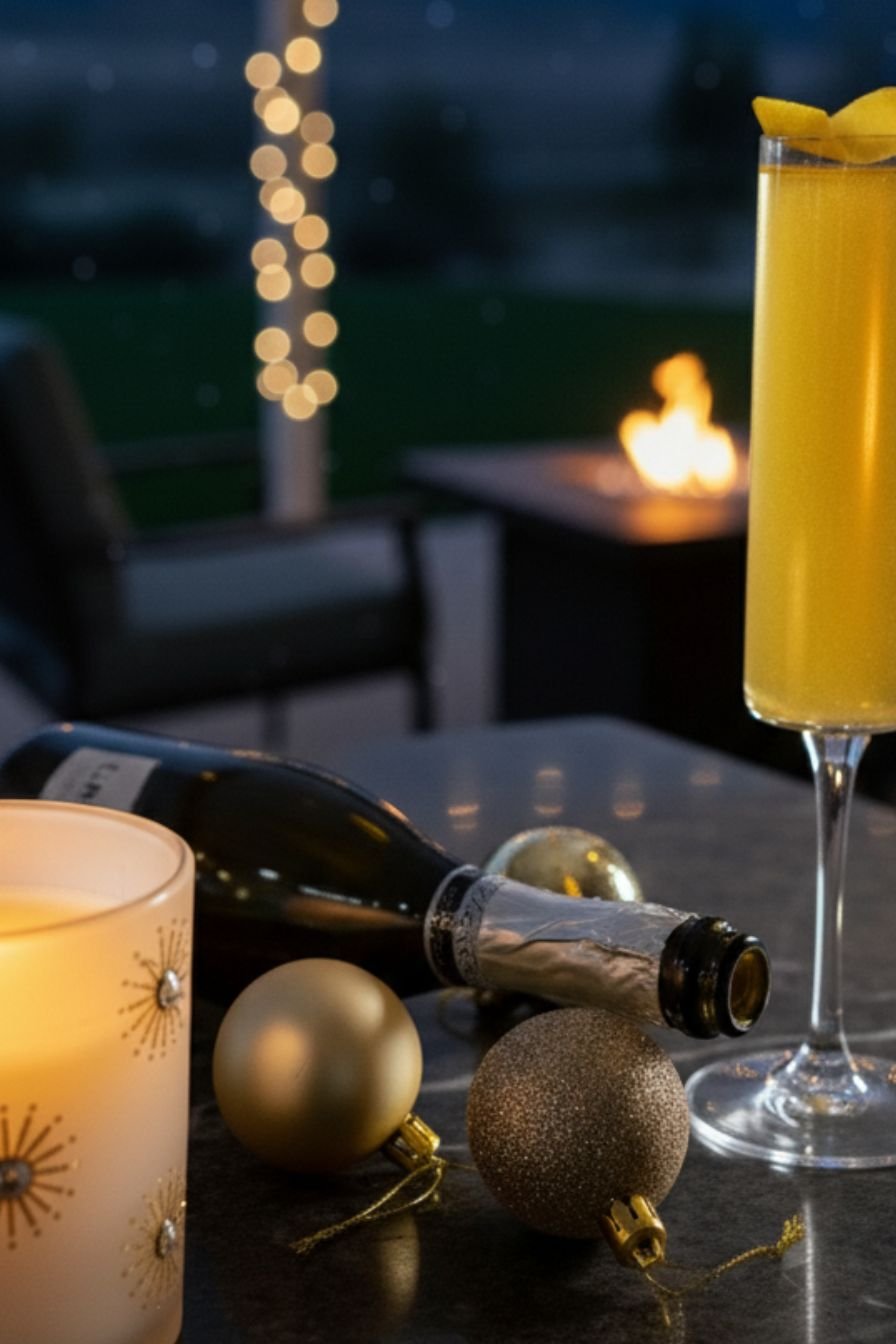
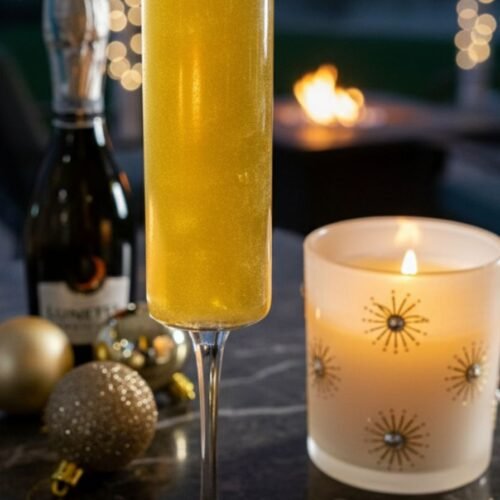
What truly sets this drink apart is the visual presentation. The edible gold glitter creates an Instagram-worthy sparkle that guests find delightful, while the lemon twist adds an aromatic citrus element that engages multiple senses. This is the kind of cocktail that makes you appear effortlessly sophisticated when entertaining. Guests will marvel at how such an impressive-looking drink comes together so quickly. For those seeking easy recipes that deliver disproportionate results, this champagne cocktail exemplifies that philosophy perfectly.
Perfect Occasions for Easy Recipes and Celebrations
This elegant champagne cocktail shines at numerous occasions throughout the year. New Year’s Eve celebrations are obvious venues, but this drink works equally well for holiday parties, engagement announcements, promotions, anniversaries, and milestone birthdays. The festive nature of the drink makes it particularly suited for winter gatherings, but its light and refreshing character means it works beautifully at spring brunches and summer celebrations too. Consider serving this cocktail as a welcome drink when guests arrive, setting an elegant tone for the entire event.
Wedding receptions, rehearsal dinners, and bridal showers all benefit from this sophisticated option. It’s equally at home at intimate dinner parties for two or large cocktail events for dozens. The beauty of quick and easy recipes like this one is their flexibility—you can easily scale quantities to match your guest count. Pre-measure the vodka and elderflower liqueur ahead of time, then add champagne to individual glasses just before serving for optimal fizz and presentation.
Understanding Your Ingredients and Flavor Profile
Each component of this cocktail serves a specific purpose in creating a harmonious whole. The vodka acts as the backbone—a clean, neutral spirit that allows other flavors to shine without dominating the palate. St. Germain is the traditional choice for elderflower liqueur, offering subtle floral notes with just enough sweetness to balance the crisp acidity of champagne. For those exploring easy recipes with quality spirits, understanding these flavor interactions elevates your bartending game considerably.
Champagne selection matters significantly, though you needn’t invest in the most expensive bottle. A dry brut champagne (or prosecco if you prefer a lighter touch) prevents the drink from becoming overly sweet. The carbonation in champagne isn’t merely fizzy decoration—it’s an essential element that contributes texture and liveliness to every sip. The lemon twist isn’t decorative either; when twisted over the glass, it releases essential oils that add an aromatic dimension to the entire experience. Even in simple cocktails, attention to detail separates good drinks from exceptional ones.
Serving Tips and Entertaining Techniques
Temperature control is absolutely essential for this champagne cocktail. Chill all your ingredients before mixing—champagne flutes should be refrigerated or filled with ice momentarily before use, then emptied before straining the cocktail into them. The vodka and elderflower liqueur should also be chilled. This attention to temperature ensures the drink stays cold and refreshing from the first sip to the last. For those serving multiple guests, understanding how to work with easy recipes at scale prevents chaos and ensures consistent quality for each person.
When shaking, use a brief, sharp motion rather than prolonged shaking. Over-shaking can dilute the drink with melted ice or, worse, damage the carbonation you’ll be adding. Strain carefully through a fine strainer to keep ice shards out of the finished cocktail. Add edible glitter sparingly—a small pinch is all you need for visual impact. The garnish should be added last, just before serving, so the lemon aroma remains fresh and aromatic. These small details separate casual cocktail attempts from polished, professional-quality drinks.
Creative Variations and Substitutions
Once you’ve mastered the classic version, you’ll appreciate how easy recipes allow for creative exploration. For a botanical twist, substitute gin for vodka to introduce juniper and herbal notes that pair beautifully with elderflower. If you’re hosting teetotalers, create a mocktail version using elderflower syrup and sparkling water instead of alcohol—it’s equally refreshing and visually impressive. Prosecco substitutes beautifully for champagne if you prefer a softer bubble or lighter flavor profile.
For a more citrus-forward version, add a small splash of fresh lemon juice to brighten the drink further. Raspberry liqueur can replace elderflower for a berry-forward variation, creating an entirely different character while maintaining the same elegant approach. Some bartenders add a touch of honey syrup for additional depth, though this should be used sparingly to avoid overwhelming the delicate balance. These variations prove that understanding fundamental cocktail principles enables infinite creative expression while maintaining the core appeal of easy recipes done exceptionally well.
Food Pairings and Menu Ideas
This elegant champagne cocktail pairs beautifully with lighter foods that complement rather than compete with its delicate flavor profile. Seafood appetizers like shrimp canapés, smoked salmon on crostini, or fresh oysters are natural pairings. Cheese boards featuring soft cheeses, fresh fruits, and honey crackers work wonderfully. Consider offering this cocktail alongside finger foods like crab cakes, prosciutto-wrapped figs, or delicate pastry-based appetizers. The light, refreshing nature of the drink means it won’t overwhelm subtle flavors, making it excellent for sophisticated entertaining.
For dinner pairings, this cocktail works well before a meal rather than alongside it. The floral and citrus notes can actually enhance lighter appetizers and first courses. Dessert pairings depend on your menu—this drink complements shortbread, macarons, fresh fruit tarts, and light custard-based desserts beautifully. Avoid heavy chocolate desserts, which can overwhelm the drink’s delicate balance. Understanding these pairing principles transforms entertaining from simply serving food and drinks to orchestrating a cohesive sensory experience where easy recipes and careful planning create memorable moments.
Notes & Tips for Success
Success with this cocktail depends on attention to several key factors. Always shake briefly—over-shaking introduces excess water and risks carbonation loss. Use a fine strainer when transferring the mixed ingredients into the flute. Add champagne last, topping the glass until nearly full, as this preserves the bubbles crucial to the drink’s appeal and mouthfeel. The edible glitter should be food-safe and used sparingly; a tiny pinch provides visual impact without affecting flavor.
Create the lemon twist with a vegetable peeler, cutting a thin spiral from the lemon while avoiding the bitter white pith underneath. Twist this spiral over the glass to release essential oils, then drop it in as a garnish. Never pre-make these cocktails in advance; they must be mixed fresh to order, as champagne loses carbonation quickly. If serving multiple guests, pre-measure vodka and elderflower liqueur into jiggers, shake each batch just before serving, then add champagne individually. This approach maintains quality while streamlining your bartending process for efficient, professional-looking service that will impress even sophisticated guests who appreciate how easy recipes can deliver exceptional results.
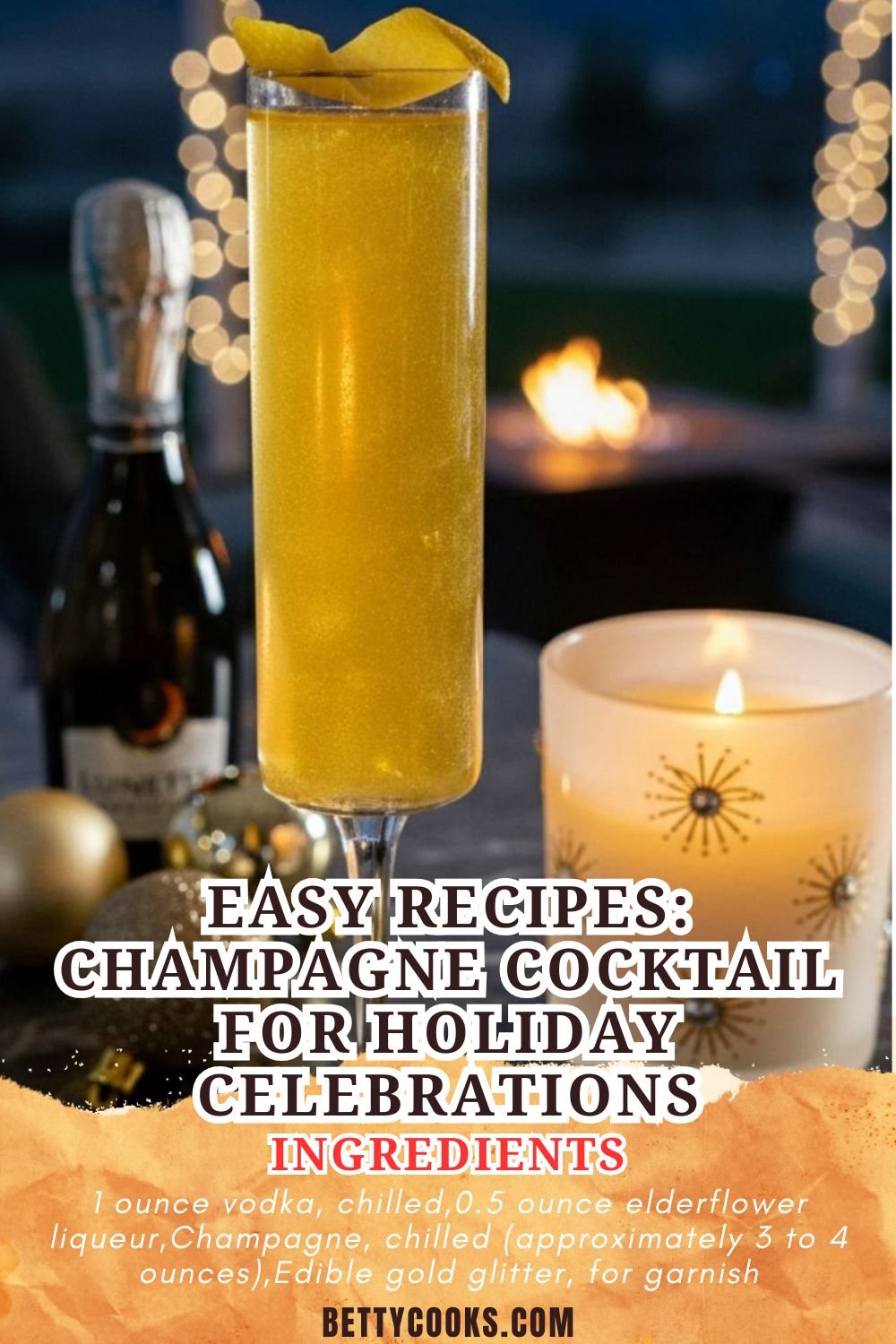
Champagne Cocktail for Holiday Celebrations
Ingredients
- 1 ounce vodka, chilled
- 0.5 ounce elderflower liqueur
- Champagne, chilled (approximately 3 to 4 ounces)
- Edible gold glitter, for garnish
- 1 lemon twist, for garnish
Instructions
- Fill a cocktail shaker with ice cubes.
- Add the chilled vodka and elderflower liqueur to the shaker.
- Seal the shaker and give it a brief, sharp shake for about 10 seconds to chill and combine the ingredients.
- Strain the mixture carefully into a chilled Champagne flute to avoid ice shards.
- Top with chilled Champagne until the glass is nearly full.
- Add a small pinch of edible gold glitter and stir gently to avoid losing carbonation.
- Garnish with a fresh lemon twist, twisting it over the glass first to release the oils.
- Serve immediately and enjoy this sparkling celebration drink.


Leave a Comment